

Cambodia-Based Brands to Know Right Now
The strongest Cambodian brands own more than the production. They own the design, the name and the route to the customer.

01. Cambodia Has the Production. The Brand Layer Is Still Catching Up.
The strongest labels are turning local material knowledge into products customers can recognize, trust and buy again.
Cambodia has spent decades manufacturing for brands headquartered elsewhere. The garment skill is real, the textile knowledge is deep and villages across the country understand silk, cotton, natural dye, rattan, clay and lacquer at a level most consumer brands never will. The weak point has usually been downstream: naming, visual identity, intellectual property, retail distribution and access to customers willing to pay for design rather than only for labor.
The labels in this article are closing that gap. They are not all Cambodian-owned, and they do not all use the same social model. What they share is a clear product position and a supply chain connected to Cambodia. That combination is what turns production into a brand.
Cambodia does not need proof that it can make things. It needs more companies that own the name on the finished product.
I have grouped the brands by how they compete: retail-and-lifestyle brands, mission-led makers and textile-identity brands. Tonlé appears separately because its closure is one of the most useful lessons in the category.
02. Retail-and-Lifestyle Brands Make Cambodian Design Easy to Buy.
These companies edit the product, the store and the customer experience under one recognizable name.
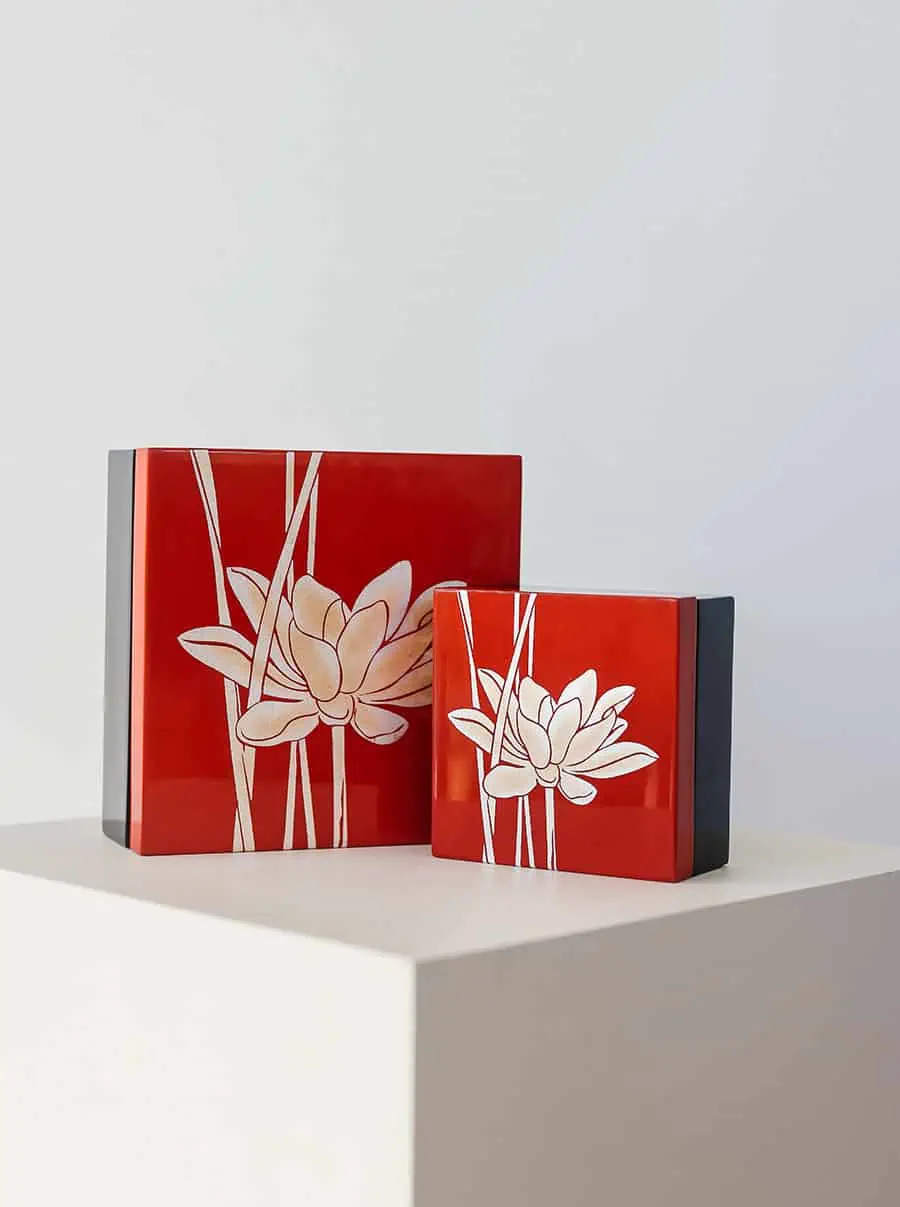
Trunkh describes itself as Cambodia's first lifestyle and design brand. Its Phnom Penh flagship mixes in-house apparel, printed textiles, rural objects, vintage Khmer shop signs and upcycled pieces made from old stilt-house wood. The founders built a retail point of view around ordinary Cambodian visual culture rather than around formal heritage. The store works because the edit is specific and the humor is controlled.
INTERWOVEN Atelier is a smaller, newer slow-fashion studio in Phnom Penh's BKK3 district. It uses 100 percent deadstock material and works with family-run tailor shops in the city. Cambodia's garment sector produces a large volume of textile waste, so deadstock is not a niche material story here. It is a practical response to the industrial system surrounding the brand.
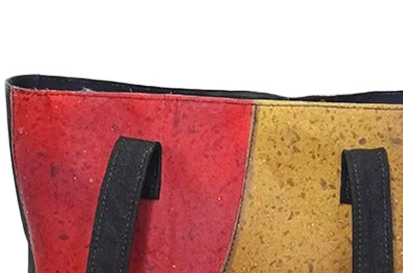
Smateria is the established circular-design business in this group. Founded in Phnom Penh in 2006 by Elisa Lion and Jennifer Morellato, it turns reclaimed fishing nets, plastic bags and other materials into bags and accessories through a WFTO-certified micro-factory. The workforce is largely female and the employment package includes fair wages, extended maternity leave, health insurance and on-site childcare. The commercial point is just as important: after almost 20 years, the products still look current enough to sell outside a fair-trade niche.


03. Mission-Led Brands Build the Product Around the Artisan Network.
The social model only matters commercially when the product and the distribution are strong enough to support it.
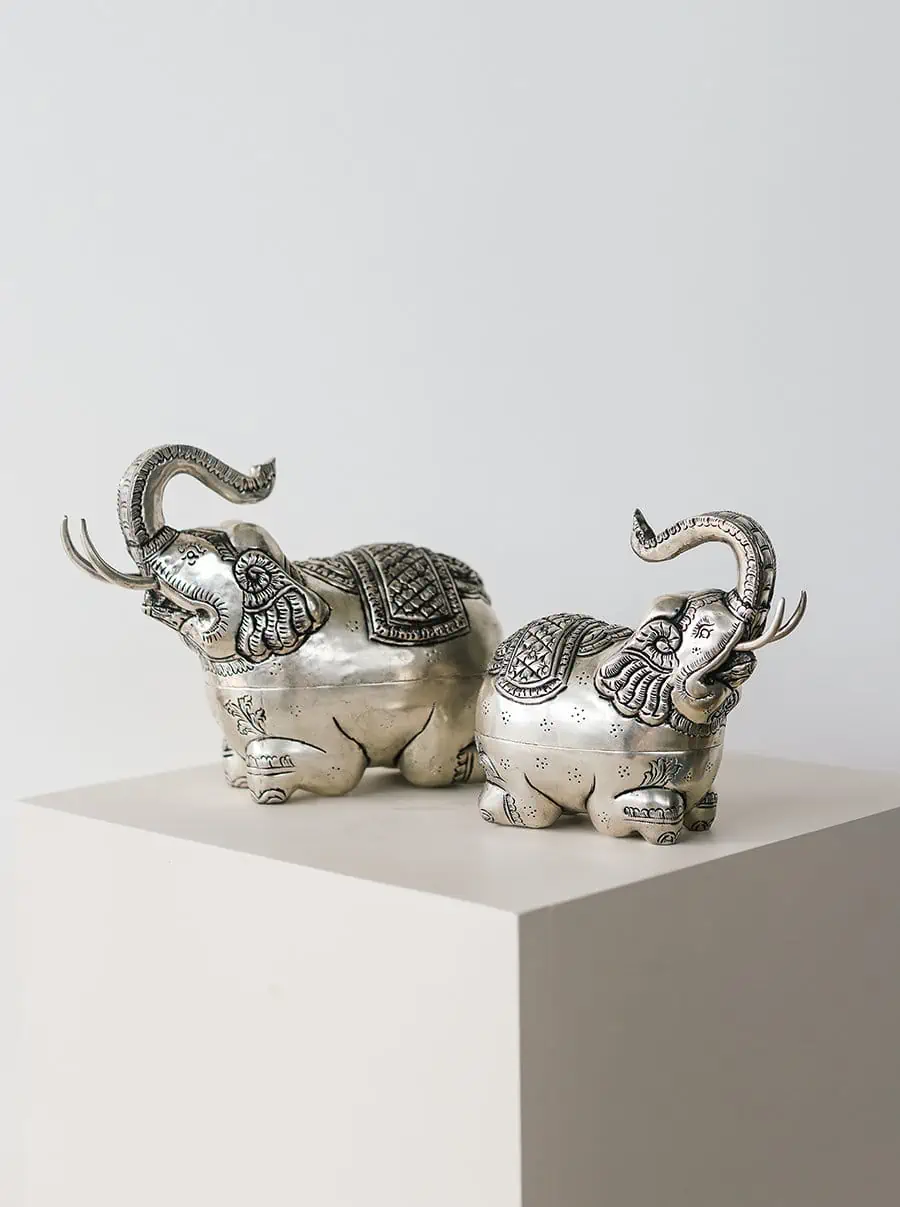
A.N.D. was founded in 2011 as a design-led fair-trade brand working with village hand-weavers and disabled or disadvantaged artisans. Its cotton ikat makes a traditional technique easier to care for and more accessible than silk, while keeping the visual value of the weave. The work has appeared in Berlin, London and Paris, which matters because it shows the product can travel beyond a Cambodia-only customer.
Dorsu is one of the clearest Cambodian-owned fashion cases. It designs and produces modern basics under one roof in Kampot using remnant and deadstock material sourced in Phnom Penh. The management team is predominantly Khmer and female, and the company has built retail and export channels under its own label. Dorsu is important because it owns the design, production and customer relationship inside a garment economy mostly controlled by foreign brands.

MANAVA makes handwoven baskets, bags and home accessories with rural Cambodian women. The brand was founded in 2016 by Dutch designer Ka-Lai Chan and Cambodian partner Baraing Tho. The products use local rattan and willow, with forms informed by 12th-century pottery. The brand works because the design is strong enough to lead; the social impact and village production then give the product additional depth.
Rajana, whose name means design in Khmer, began in 1995 and became an independent Cambodian-run association in 2002. It works across silk, stone, ceramics and jewelry, including pieces made from recycled ammunition and bomb casings. Rajana remains one of the country's most important long-running fair-trade craft networks.
FAIR WEAVE was founded by Chomnab Ho in 2013 in Phnom Srok near the Thai border. It produces handwoven throws, blankets and scarves in cotton, silk, linen and bamboo with natural dyes from local plants and materials. The business supports around 50 to 60 weavers and exports to several countries. What makes it especially relevant now is the formal brand work: WIPO has helped the company develop a sub-brand, a brand guide and trademark protection. That is the downstream infrastructure many craft businesses never build.
04. Textile-Identity Brands Protect a Specific Technique.
Here, the fabric is not one category inside the brand. It is the reason the brand exists.
SeungKhmer is the clearest example. Samin Pheakdey launched it in Siem Reap in 2016 to rebuild demand for seung, a handwoven cotton or silk fabric that had nearly disappeared from the market. She combines the traditional textile with cotton and linen in dresses, shirts, resort wear and accessories sold through Made in Cambodia Market and Satcha.
The value is not only in the finished clothing. SeungKhmer creates a market for the fabric itself and gives local women a reason to keep weaving it. FAIR WEAVE and A.N.D. also protect textile knowledge, but SeungKhmer is the purest case of one brand organized around one endangered cloth.
05. Tonlé Is the Warning the Category Should Study.
A strong ethical model and international attention were not enough to make the economics permanent.
Tonlé, founded by Rachel Faller, built one of Cambodia's most rigorous zero-waste fashion systems from garment-industry offcuts. The brand became an international reference for circular production and fair employment. In 2025 it announced that the brand would close permanently, citing financial strain following the pandemic and a market increasingly dominated by much larger companies.
The Cambodian production workshop did not disappear. Former team members continue the manufacturing operation as KaTik, producing for other ethical labels. That survival matters, but so does the closure. Tonlé did almost everything the ethical playbook asks for and still struggled to build a durable consumer business. Good materials, fair wages and responsible production are not enough without a brand customers repeatedly choose, healthy margins and dependable distribution.
06. What the Strongest Cambodian Brands Have in Common.
The winners will treat design, ownership, IP and retail as seriously as the production itself.
| Group | Brands | What they prove |
|---|---|---|
| Retail and lifestyle | Trunkh, INTERWOVEN, Smateria | Cambodian design can be edited into a clear, modern retail proposition. |
| Mission-led makers | A.N.D., Dorsu, MANAVA, Rajana, FAIR WEAVE | Artisan networks become more durable when the brand owns the product and route to market. |
| Textile identity | SeungKhmer | A brand can create demand for a technique that might otherwise disappear. |
| Precedent and warning | Tonlé / KaTik | Ethical production still needs strong economics, distribution and repeat demand. |
Three things separate these labels from anonymous manufacturing. First, they have a point of view customers can recognize: Trunkh's rural visual language, MANAVA's forms, SeungKhmer's single-textile focus. Second, they can explain the material and production chain. Third, the strongest are building formal assets around the work: trademarks, brand systems, direct retail and export relationships.
Cambodia's next valuable export should not be cheaper labor. It should be Cambodian brands.
For retail and hospitality buyers, the brief is straightforward. Stock products with a visible maker and supply chain, give preference to Cambodian ownership where the product is equally strong, and support founders protecting a real technique rather than adding a vague social story to generic merchandise. Tonlé's closure should stay in the conversation. Purpose does not replace margin, distribution or customer demand. The brands that last will build all of it.
Sources
- A.N.D. (handcambodia.com): Official site for the design-led fair-trade brand founded in 2011, working with village hand-weavers and disadvantaged artisans.
- Dorsu, official site: Confirms the Kampot production base, Phnom Penh retail, and ethical model.
- Cambodia Investment Review: Vanna Sann on building Dorsu: Confirms Cambodian ownership and leadership of the brand.
- MANAVA Cambodia, official site: Handwoven baskets and home accessories made with rural women artisans; founded 2016 by Ka-Lai Chan.
- South East Asia Globe: MANAVA weaving a brighter future: Independent reporting on MANAVA's founding, materials, and artisan impact.
- WIPO: Building FAIR WEAVE in Cambodia: WIPO case study documenting FAIR WEAVE's founding, natural-dye textiles, and formal brand/IP building.
- FAIR WEAVE, founder page: Official account of founder Chomnab Ho and the Phnom Srok weaving enterprise.
- Smateria, About: Confirms the 2006 founding, recycled/upcycled materials, and WFTO-certified Phnom Penh production.
- INTERWOVEN Atelier profile (Cambodia Lifestyle): Details the Phnom Penh small-batch, deadstock-only slow-fashion model and co-founder background.
- Cambodianess: Adapting Khmer Seung Fabric to Today's Needs: Reporting on Samin Pheakdey and SeungKhmer's revival of seung fabric, launched 2016.
- Trunkh, About Us: Official page describing Cambodia's first lifestyle and design brand and its Phnom Penh flagship.
- Rajana Association (Oz Fair Trade): History of the fair-trade craft association, its Khmer name meaning "design," and its jewelry and silk work.
- Conscious Assembly: Welcome Tonlé Community: Confirms Tonlé's closure and the continuation of its workshop as KaTik.